


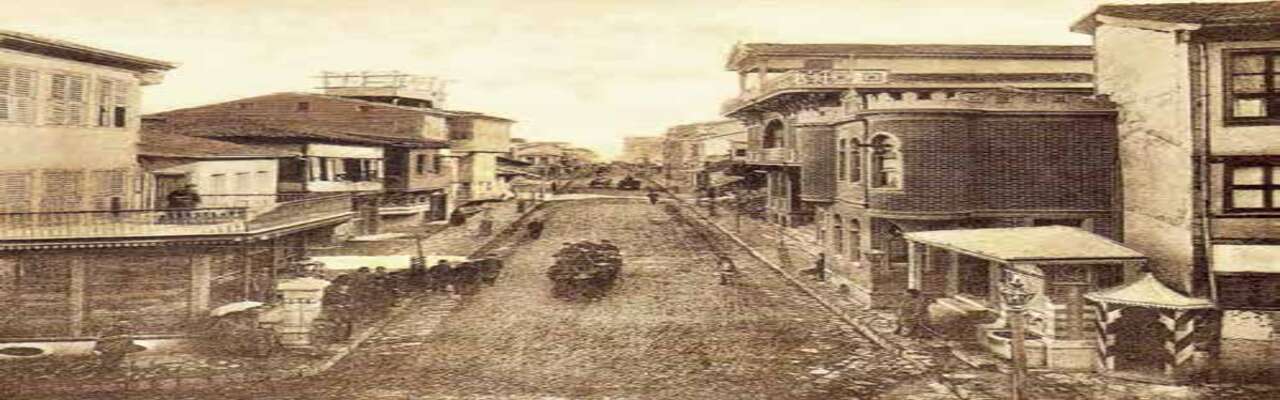
Ottoman Urban Wealth Inequalities is a research project funded by TÜBİTAK for three years. Based on a large dataset of house sale deeds (menzil mübaya'a hücceti) obtained from the Muslim court registers (şer'iyye sicilleri) of ten major Ottoman cities within the borders of modern Turkey, it investigates house prices and urban inequality in the Ottoman Empire in 1600-1913. The study of long-term house prices has gained momentum in the economics literature in recent years as real estate is one of the key components of household wealth. Many studies point out that there is a multidirectional link between house prices and the wider economy through money and credit channels. However, the economic history literature offers a limited insight into historical house prices and their determinants because of difficulty in constructing long-term price indices. Similarly, the Ottoman historiography is not concerned with offering a systematic analysis of house prices in the Ottoman cities, instead is engaged in their social and cultural analysis. The original value of this project is to conduct a comparative analysis of the house prices in the Ottoman empire by using Ottoman archival documents and econometric methods.